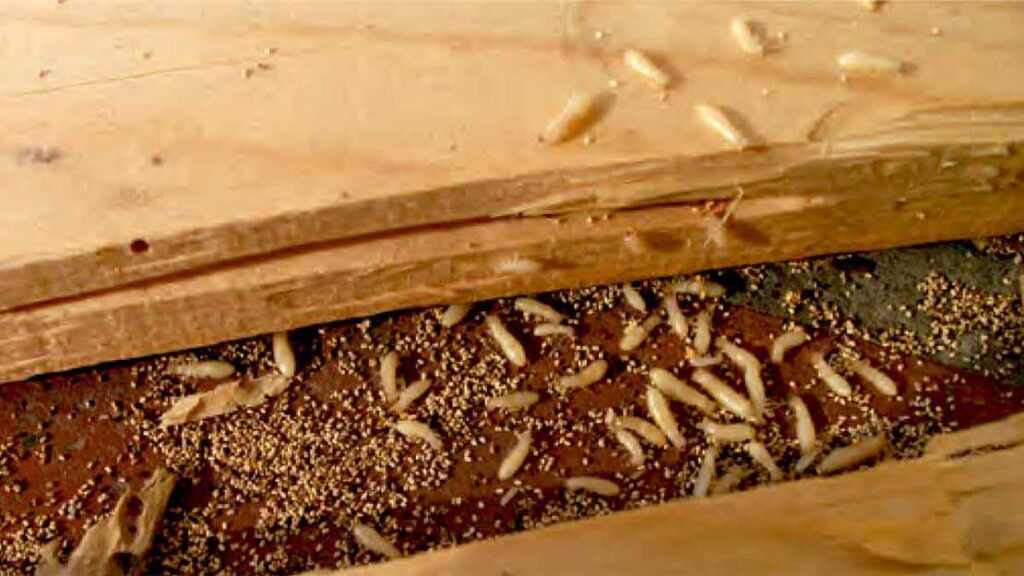
Termite Removal Services by Pest Control Xperts in Fillmore
Serving homes, apartments, dormitories, hotels, and healthcare offices throughout Fillmore, California, and Surrounding Areas
Professional Termite Control for Fillmore, California
Are you battling a relentless Termite infestation in your home or business? You’ve tried every DIY spray and trap, only to see these destructive pests return, often with a vengeance. That sinking feeling as you spot another mud tube or pile of frass is a clear sign: those temporary fixes are merely illusions undone by a hidden, thriving colony. At Fillmore, Pest Control Xperts, we understand your frustration. We don’t just treat the symptoms, we eliminate the problem at its source, targeting the queen and the entire nest to restore true peace of mind to your property.
Why Termite Appear in Fillmore and Surrounding Communities
Fillmore, nestled at the foot of the Topatopa Mountains and bordered by the Santa Clara River, offers a unique environment that unfortunately makes it a haven for Termite. Our warm-summer Mediterranean climate, with temperatures often soaring above 90°F in August and significant rainfall during the cooler months, creates a dynamic environment where these pests thrive.
- Climate & Geography: The mix of sun, coastal fog, rain, and seasonal droughts in California directly influences Termite behavior. Subterranean Termite, for instance, are more likely to swarm after rain, while dry soil can displace them, sending them searching for moisture, often indoors. The rich, fertile soil that supports our famous orange groves also provides excellent breeding grounds. Proximity to natural habitats like the Los Padres National Forest and Sespe Creek allows Termite to easily move from wild areas into residential and commercial zones. Dampwood Termite, in particular, thrive in the cool, humid areas along the coast and in decayed wood that remains moist through soil contact or water leaks.
- Architecture & Urban Factors: Fillmore’s historic downtown, with its charming cottages, bungalows, and older homes, particularly around Central Avenue, can offer numerous entry points and hidden harborage areas for Termite. New construction projects and expanding suburbs, such as the Heritage Grove community, can displace existing Termite populations, forcing them into established homes and businesses. Common architectural styles in Fillmore, such as Spanish Colonial and Mission Revival, with extensive wood framing, also offer ample opportunities for Termite harborage.
- Food Sources & Neighboring Issues: The abundance of wood, both in natural settings and in our homes, provides a constant food source for Termite. Foundation cracks and even tiny gaps can become entry points for subterranean Termite seeking access to your home’s wooden structures. Furthermore, Termite colonies can be extensive, meaning a neighbor’s infestation can quickly become your own.
Types of Termite Commonly Found in California
California’s diverse climate creates an ideal environment for various types of Termite, often called “silent destroyers,” that can cause extensive damage before being detected. The three primary Termite species in California are Drywood, Dampwood, and Subterranean.
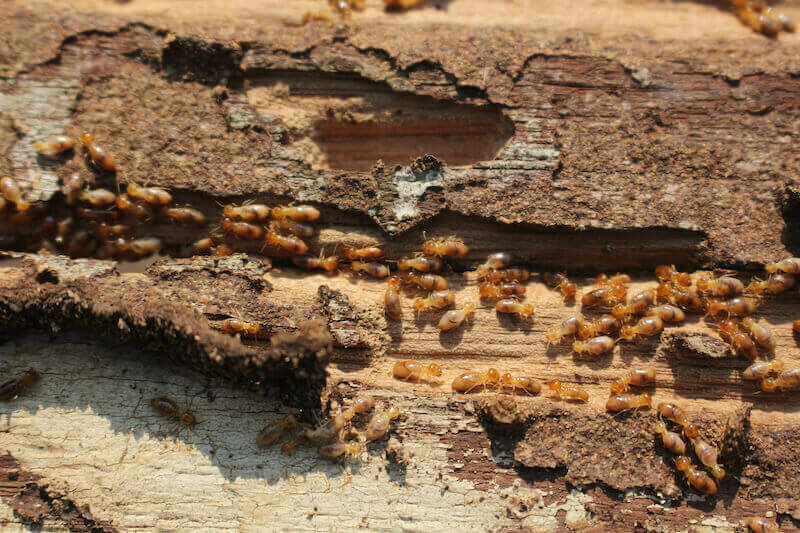
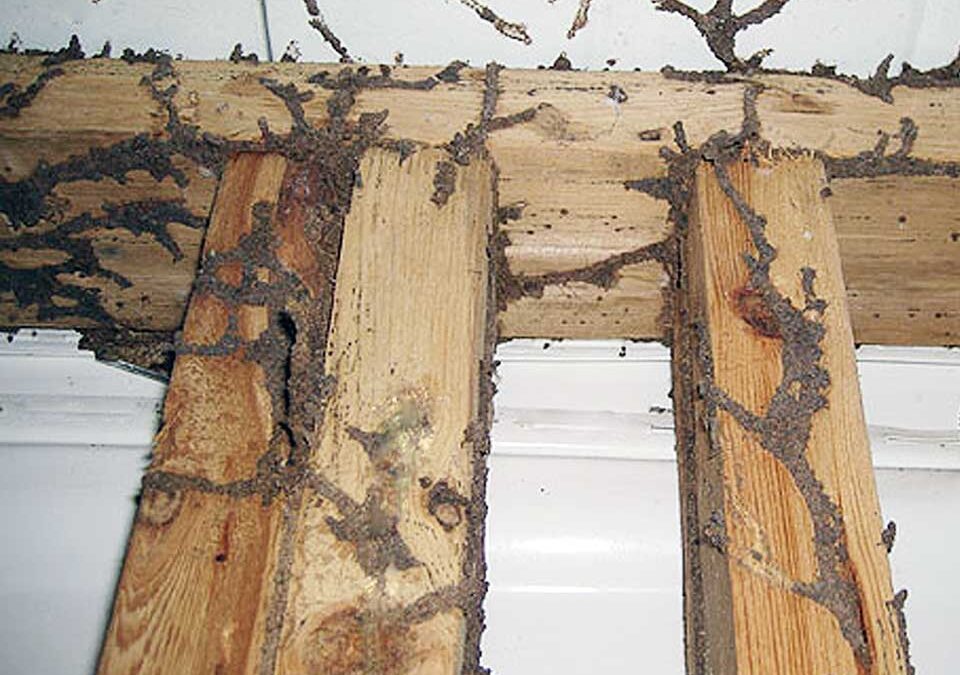
- Subterranean Termite: These are among the most common and destructive Termite species in Southern California. They live underground in vast colonies and build intricate mud tubes to travel between their nest and food sources, protecting themselves from dry air. They thrive in moist environments and can access homes through foundation cracks and plumbing entry points. Swarmers, which are darker and winged, often emerge in spring and fall after rain. Signs include mud tubes along foundation walls or wooden structures, and small, creamy-white workers.
- Drywood Termite: Unlike their subterranean counterparts, drywood Termite do not need contact with soil to survive. Instead, they live directly inside dry, undecayed wood, making them harder to detect and prevent. They often enter through exposed wooden eaves, attic vents, or cracks in door and window frames. A key sign of drywood Termite is the presence of small, pellet-like fecal droppings, known as frass, which resemble coarse sawdust and are often found near infested areas like baseboards or wooden furniture. Swarmers are typically seen in late summer or early fall on warm evenings.
- Dampwood Termite: These are the largest Termite species found in California and thrive in high-moisture environments. They are commonly found in rotting logs, water-damaged wood, or areas with persistent leaks. While less likely to infest dry, well-maintained homes, they can be a concern for properties with poor drainage, leaky pipes, or wood-to-soil contact. Dampwood Termite do not build mud tubes or leave frass in the same way drywood Termite do, as they use their droppings to seal holes and trap moisture within the wood. If you have Dampwood Termite, you are likely to notice wood that is soft or squishy to the touch.
Problems Termite Create for Homes and Businesses
An unchecked Termite infestation can lead to a cascade of devastating consequences for your property and your peace of mind.
- Structural Damage: Termite continuously feed on wood, hollowing out structures from the inside out. This can compromise the integrity of structural beams, flooring, and foundations, leading to extensive and costly repairs. The NPMA estimates that property owners spend over five billion dollars every single year on Termite damage repair and prevention costs.
- Property Devaluation: The presence of Termite, or evidence of past infestations, can significantly reduce the market value of your property.
- Daily Frustration: The constant worry and visible signs of Termite can cause considerable stress and discomfort in your own home or business.
- Contaminating Food: While not directly contaminating food like some other pests, Termite can indirectly affect food storage areas by damaging wooden pantries or structural elements, creating pathways for other pests.
- Brand Reputation Risk: For businesses, a Termite infestation can severely damage your reputation, leading to lost customers and revenue.
Signs of an Escalating Termite Infestation
Early detection is crucial to mitigating Termite damage. Be vigilant for these warning signs:
- Consistent Mud Tubes: For subterranean Termite, look for pencil-sized mud tubes on exterior walls, foundation, or wooden structures. These protective tunnels indicate active Termite pathways.
- Frass or Sawdust: Small piles of wood-colored pellets, resembling sawdust, near wooden elements like baseboards, window sills, or furniture are a strong indicator of drywood Termite.
- Winged Termite Indoors: The presence of flying Termite, especially during swarming seasons, signifies a mature, well-established colony nearby. These swarmers are reproductive Termite seeking to establish new colonies.
- Hollow-Sounding Wood: Tap on wooden structures. If they sound hollow, it could indicate internal Termite damage.
- Uneven or Bubbling Paint: This can be a sign of Termite activity beneath the surface, as they tunnel through wood.
- Specific Odors: Some people report a musty or mildew-like odor associated with Termite infestations.
Why Professional Extermination is Essential for Termite Removal
Many property owners attempt to tackle Termite infestations themselves, only to discover that store-bought sprays and traps offer nothing more than temporary illusions undone by the hidden colony. DIY methods fail because they only address the visible foragers, leaving the queen and the vast majority of the nest untouched. This often leads to:
- Colony Budding: Some DIY treatments can actually cause the Termite colony to split into smaller, satellite colonies, effectively spreading the infestation and making it even harder to eradicate.
- Hidden Damage: Termite work silently and out of sight. By the time you notice visible signs, significant structural damage may have already occurred. DIY efforts won’t uncover the full extent of the problem.
- Ineffective Treatment: Over-the-counter products are rarely potent enough to penetrate deep into the colony and eliminate the queen, who is constantly producing new Termite. Without eliminating the queen, the infestation will persist.
Professional service from Fillmore, Pest Control Xperts is the only way to achieve complete colony destruction. We have the expertise, tools, and advanced treatments to locate and eradicate the entire Termite colony, ensuring lasting protection for your property.
Our Termite Removal Method
At Fillmore, Pest Control Xperts, we follow a meticulous, multi-step process to ensure thorough Termite elimination and prevention:
- Consultation & Inspection: Our experienced technicians will conduct a comprehensive Termite inspection of your property, identifying the species, locating all active colonies, and assessing the extent of the damage. We look for mud tubes, frass, damaged wood, and other subtle indicators.
- Customized Treatment: Based on our findings, we develop a tailored treatment plan utilizing the most effective methods for your specific Termite species and infestation level. This may include targeted treatments to eliminate the entire Termite colony.
- Exclusion & Maintenance: We provide recommendations and implement strategies to prevent future Termite entry, such as sealing cracks and addressing moisture issues.
- Monitoring: We offer ongoing monitoring to ensure the Termite infestation is completely eradicated and to detect any new activity early.
Why Fillmore Relies on Fillmore, Pest Control Xperts
When it comes to protecting your most valuable asset from the silent destruction of Termite, Fillmore, Pest Control Xperts stands as the trusted authority. Our deep understanding of the local environment and Termite behavior in Fillmore sets us apart. We focus on complete colony destruction, not just temporary fixes, using safe application methods that prioritize the well-being of your family and pets. Our commitment to follow-up and customer satisfaction ensures lasting peace of mind.
How to get rid of Termite in the kitchen permanently?
Understanding Kitchen Termite Infestations
Termite in the kitchen can be particularly alarming due to their proximity to food preparation and storage areas. Permanent removal requires a professional approach that goes beyond surface treatments.
Are carpenter Termite a serious threat to my home?
The Dangers of Carpenter Termite
While often mistaken for Termite, carpenter ants excavate wood to build nests, leading to structural damage over time. Understanding their behavior is key to effective removal.
Why do I keep getting Termite in my house?
Identifying Recurring Termite Issues
Recurring Termite infestations often point to underlying conditions that attract these pests. Professional assessment can identify and address these root causes, from moisture problems to hidden entry points.
What are the signs of a major Termite infestation?
Recognizing Severe Termite Activity
Distinguishing between minor Termite activity and a major infestation is crucial for timely intervention. Look for widespread mud tubes, significant frass accumulation, and multiple swarms.
Termite Inspection: Your First Line of Defense
The Importance of Regular Inspections
Regular Termite inspections are vital, especially in areas prone to Termite activity like Fillmore. Early detection can save you from extensive damage and costly repairs.
Termite Baiting Systems: A Modern Solution
How Baiting Systems Work
Termite baiting systems offer an effective, targeted approach to colony elimination. These systems use bait to attract and eliminate Termite, disrupting their colony from within.
Contact Us
Schedule Your Immediate Consultation Today
Don’t let Termite compromise the safety and value of your property. Contact us for an immediate consultation and let Fillmore, Pest Control Xperts provide the lasting Termite control you deserve. We proudly serve Fillmore, California.