Flea Removal Services by Pest Control Xperts in Fillmore
Serving homes, apartments, dormitories, hotels, and healthcare offices throughout Fillmore, California, and Surrounding Areas
Professional Flea Control & Extermination for Fillmore
Are you battling a relentless flea problem in your Fillmore home or business? Have you tried every DIY spray, trap, and home remedy, only to find those tiny, biting pests returning with frustrating persistence? You’re alone. Many property owners in Fillmore experience the sheer exasperation of a flea infestation that seems impossible to eradicate. The truth is, those temporary solutions you’ve been using are merely illusions, undone by the hidden, thriving colony that lies beneath the surface. At Fillmore Pest Control Xperts, we understand your frustration, and we’re here to offer the definitive solution: professional flea control that eliminates the problem at its source, targeting the queen and the entire nest for lasting relief.
Why Fleas Appear in Fillmore
The unique climate and geographical features of Fillmore create an ideal environment for fleas to flourish. Our region experiences warm, dry summers and mild, wet winters, which can influence flea behavior seasonally. The proximity to the Santa Clara River and various agricultural areas, including citrus groves and open fields, contributes to moisture levels and provides ample wildlife hosts, making our community particularly susceptible to flea activity. Fleas thrive in humid conditions, and even during drier periods, they seek out shaded, moist areas around homes and businesses.
Local architecture also plays a significant role in how fleas establish themselves. Older, historic wooden homes, common in downtown Fillmore, can have crawl spaces and foundational cracks that offer secluded, protected breeding grounds. Newer suburban developments, with their well-landscaped yards and close-knit housing, can inadvertently create pathways for fleas to travel from one property to another via pets or wildlife. Dense commercial districts in Fillmore can also face challenges, as fleas can be transported into businesses on clothing or through deliveries, quickly establishing satellite colonies if not addressed promptly.
Local Factors Contributing to Flea Infestations:
- Food Sources: Abundant wildlife, including rodents, opossums, and stray cats, provides a constant supply of blood meals for fleas, allowing them to reproduce rapidly.
- Moisture: Shaded areas, leaky pipes, and even heavy morning dew can create the humid conditions fleas need to survive and lay eggs.
- Foundation Cracks: Small openings in foundations or around utility lines offer easy access points for fleas to enter structures from the outdoors.
- Neighbor’s Issues: If a neighboring property has an untreated flea infestation, it significantly increases the risk of fleas migrating to your property.
Types of Fleas Commonly Found in California
Understanding the specific types of fleas you might encounter in Fillmore is crucial for effective control. While many people think of “fleas” as a single entity, several species can infest homes and businesses, each with slightly different behaviors and risks.
Cat Flea (Ctenocephalides felis)
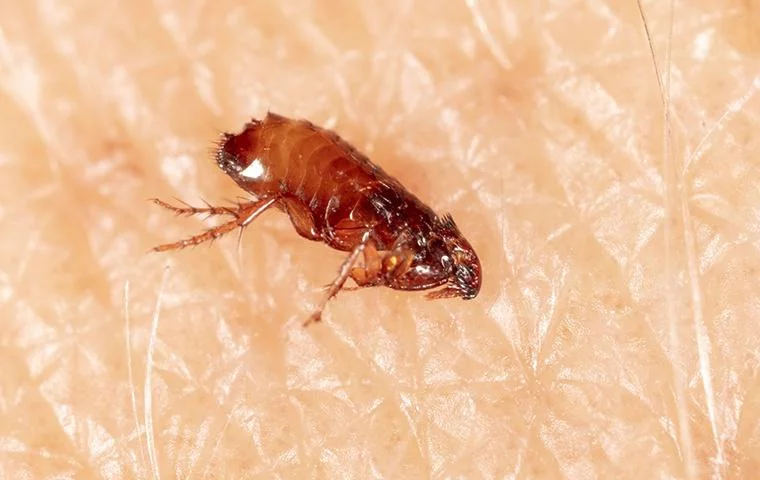
Despite the name, cat fleas are the most common species found on both cats and dogs, and they are responsible for the vast majority of flea infestations in homes. They are reddish-brown, about 1/8 inch long, and incredibly agile jumpers. Cat fleas can transmit tapeworms and cause flea allergy dermatitis in pets, leading to intense itching and skin irritation. They are often found in pet bedding, carpets, and upholstered furniture.
Dog Flea (Ctenocephalides canis)
Less common than the cat flea, dog fleas are similar in appearance and behavior. They primarily infest dogs but can also be found on other animals. Like cat fleas, they can transmit tapeworms and cause skin issues in pets. Identification often requires microscopic examination, but their presence indicates a need for professional intervention.
Human Flea (Pulex irritans)
While less prevalent in modern homes, human fleas can occasionally be a problem, especially in areas with livestock or wild animals. They are slightly larger than cat or dog fleas and can bite humans, causing itchy welts. These fleas are more likely to be found in rural settings or properties with a history of rodent infestations.
Oriental Rat Flea (Xenopsylla cheopis)
Though primarily associated with rats, the Oriental rat flea is historically significant as a vector for serious diseases. While rare, their presence in residential or commercial settings is a strong indicator of a rodent infestation that needs immediate attention. These fleas are typically found in areas where rodents nest.
Problems Fleas Create for Homes and Businesses
An unchecked flea infestation is far more than just an annoyance. These tiny pests can lead to a cascade of problems for both residential and commercial properties in Fillmore, impacting health, property value, and peace of mind.
Health Risks and Discomfort
- Persistent Biting: Flea bites cause intensely itchy, red welts on humans and pets, leading to discomfort, skin irritation, and potential secondary infections from scratching.
- Allergic Reactions: Many pets develop flea allergy dermatitis, a severe allergic reaction to flea saliva, resulting in excessive scratching, hair loss, and skin lesions.
- Disease Transmission: While rare in modern times, fleas can transmit diseases like murine typhus and, historically, even plague. They can also transmit tapeworms to pets, which can then be passed to humans.
Property Damage and Contamination
- Contaminating Food: Fleas can jump onto countertops and food preparation areas, potentially contaminating food items and posing a hygiene risk.
- Pet Bedding and Furniture Damage: Flea infestations often concentrate in pet bedding and upholstered furniture, leading to persistent odors and requiring extensive cleaning or even replacement.
- Hidden Damage: In severe cases, especially with certain species that might be mistaken for other pests, the presence of fleas can indicate other underlying issues like rodent infestations, which can cause structural damage.
Impact on Daily Life and Reputation
- Daily Frustration: The constant itching, the sight of fleas jumping, and the never-ending battle to eliminate them can cause significant stress and diminish your quality of life.
- Brand Reputation Risk: For businesses, a flea infestation can severely damage your reputation, leading to negative reviews, loss of customers, and a decline in revenue. This is particularly true for hospitality, retail, and healthcare establishments.
- Embarrassment: Having fleas can be embarrassing, making you hesitant to invite guests or customers into your home or business.
Signs of an Escalating Flea Infestation
Recognizing the early signs of a flea problem can prevent it from spiraling into a full-blown infestation. However, many property owners in Fillmore often overlook subtle clues until the problem becomes severe. Here are clear warning signs that indicate an escalating flea infestation:
Visible Fleas on Pets or Yourself
The most obvious sign is seeing fleas jumping on your pets, especially around their hindquarters, belly, or neck. You might also notice them on your ankles or legs, particularly after spending time in areas where pets frequent.
Excessive Scratching, Licking, or Biting by Pets
If your pet is constantly scratching, licking, or biting themselves, even after receiving topical flea treatments, it’s a strong indicator of an ongoing flea problem. This behavior is often a reaction to flea bites or flea allergy dermatitis.
“Flea Dirt” on Pet Bedding or Furniture
Flea dirt, which looks like tiny specks of black pepper, is actually flea feces composed of digested blood. You can often find it on pet bedding, carpets, rugs, or upholstered furniture. A simple test is to place a few specks on a wet paper towel; if it turns reddish-brown, it’s flea dirt.
Red, Itchy Bites on Ankles and Legs
Flea bites on humans typically appear as small, red, itchy bumps, often in clusters, primarily on the ankles and lower legs. These bites can be incredibly irritating and persist for several days.
Seeing Fleas in Carpets or Rugs
If you notice fleas jumping in your carpets or rugs, especially after walking through them, it means the infestation has likely spread beyond your pets and into your living spaces. This is a critical sign that professional intervention is needed.
Flea Eggs or Larvae in Cracks and Crevices
While difficult to spot with the naked eye, a severe infestation will include flea eggs and larvae in cracks, crevices, and other protected areas. These stages of the flea life cycle are often hidden, making DIY efforts ineffective.
Why Professional Extermination is Essential for Flea Removal
The cycle of frustration with fleas often begins with well-intentioned DIY efforts. Store-bought sprays, flea bombs, and various home remedies promise quick relief, but these are merely illusions, undone by the hidden realities of a flea colony. Here’s why professional extermination by Fillmore Pest Control Xperts is the only true path to lasting flea removal:
The Illusion of DIY: Only Killing Foragers
Most over-the-counter flea products, whether sprays or foggers, only target adult fleas that are actively foraging for a blood meal. These are the visible tip of the iceberg. What they fail to address is the vast majority of the flea population: the eggs, larvae, and pupae hidden deep within carpets, cracks, and crevices. You might see a temporary reduction in adult fleas, leading you to believe the problem is solved, but this is a fleeting victory. The hidden colony continues to develop, and within weeks, a new wave of adults emerges, restarting the cycle of infestation.
The Danger of Budding: Splitting Colonies
In some cases, ineffective DIY treatments can actually make the problem worse. When a flea colony is disturbed but not eradicated, it can trigger a phenomenon known as “budding.” This means the surviving fleas, sensing a threat, may scatter and establish new, smaller satellite colonies in different areas of your home or business. What was once a concentrated problem can now become a widespread, harder-to-track infestation, making professional intervention even more critical.
The Queen and the Nest: The Source of the Problem
The core objective of effective flea control is to eliminate the queen and the entire nest. Flea queens are prolific egg-layers, capable of producing hundreds of eggs in their lifetime. As long as the queen and the reproductive cycle within the nest remain undisturbed, the infestation will persist. DIY methods simply cannot reach these hidden epicenters of activity. Professional flea treatment, however, is designed to penetrate these hidden areas, breaking the life cycle at every stage and ensuring the complete destruction of the colony.